Voice AI
Amazon Silently Kills Alexa Voice Switching for Older Echo AUX Jacks
Selma Ortiz · 16h ago · 4 min read
Higgsfield blew past the sixty-second clip ceiling using GPT-6 Astra, GPT-Image-2.5, and GPT-Live. Long-form synthetic video with voice control just became practical.

By Ray Dalton, Editor-in-chief · Reported off OpenAI News
Runs the desk. Allergic to demos that only work on stage.
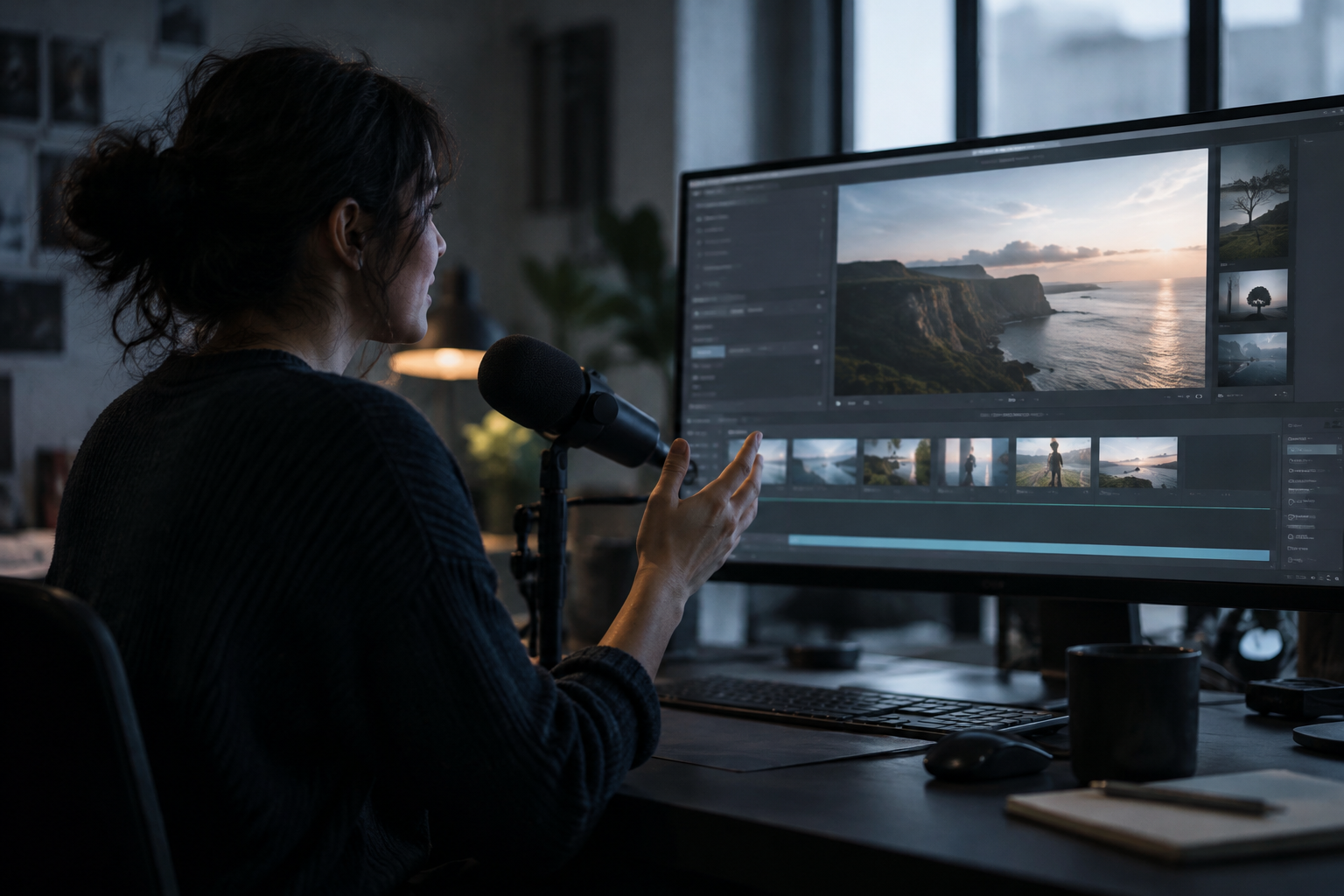
Higgsfield dropped a direct challenge to the sixty-second video ceiling. The production platform overhauled its rendering architecture to produce continuous synthetic video sequences running past ten minutes, leaning directly on GPT-6 Astra for long-horizon temporal consistency.
Previous consumer pipelines collapsed into surreal mush after thirty to sixty seconds because diffusion frames drifted apart. Higgsfield couples GPT-6 Astra with GPT-Image-2.5 to anchor pixel geometry, background assets, and lighting conditions across scenes that would otherwise degrade within a couple hundred frames.
The update folds GPT-Live into the operator interface. Instead of typing static prompts, rendering sixty seconds, and splicing the cuts in external editing software, creators direct scenes dynamically through speech interfaces that respond on the fly.
Voice directing lets an operator guide camera placement, character pacing, and environment shifts in continuous takes without breaking the timeline into single-minute scraps.
This architecture changes how assets generate inside Higgsfield:
AI video spent years trapped inside animated GIFs dressed up as cinema. Runway, Pika, and Sora built impressive demos, but those demos almost always tapped out around five to ten seconds per generation. Making an eight-minute short required generating eighty separate clips, praying character faces did not morph between takes, and assembling the puzzle inside Premiere or DaVinci Resolve.
Audio pipelines suffered an even worse split. Speech synthesis tools like ElevenLabs or direct Whisper hooks operated as completely disconnected layers. Editors generated the video silent, bounced an audio track from a third-party synthetic voice vendor, and manually nudged waveforms to match drifting lip movements.
GPT-Live changes that handoff dynamic entirely. By establishing a conversational channel that runs alongside image synthesis, voice becomes the input bus for camera direction rather than merely an afterthought pasted on top of an MP4 export.
GPT-Image-2.5 solves the underlying identity crisis that plagued previous attempts at extended generation. When models lack reference precision, a protagonist wearing blue denim in minute one emerges wearing black leather by minute three. Precision rendering tools anchor those design tokens down to micro-textures.
Filmmakers and digital creators who tested early models spent months complaining that short clips make dramatic pacing impossible. The dominant critique across production forums focused on the impossibility of maintaining suspense or comedic timing when every shot must end before the sixty-second mark.
Creative directors note that spoken prompting lowers the barrier for traditional directors who refuse to learn arcane text syntax or seed-hunting tricks. The industry consensus among independent studio heads is that talking to a timeline mirrors practical physical directing far better than managing JSON payloads or comma-separated modifier tags.
Traditional post-production houses view the bundle of GPT-6 Astra, GPT-Image-2.5, and GPT-Live with immediate wariness. Animators and junior compositors who made their living stitching disjointed short clips into cohesive reels see their specialized workflow compressed into an automated background process.
The ten-minute barrier was the line separating social media novelty clips from actual commercial narrative content. Independent animation studios, corporate training vendors, and small advertising agencies will immediately run pilot productions that bypass physical camera crews altogether.
Competing generation platforms now face direct pressure to retire their sub-minute generation limits. Any platform demanding manual prompt re-entry every sixty seconds will look like dial-up internet compared to a model maintaining state across a quarter of an hour.
Voice direction through GPT-Live will force an evolution in production software design. Traditional linear editing suites rely on mouse clicks and keyboard shortcuts; the next generation of creative suites will build around persistent voice dialogues that interpret mood, camera speed, and lens focal lengths on audio command.
Pushing generation beyond ten minutes removes synthetic video from the novelty bin and dumps it straight into narrative film production. Creators do not want fragmented micro-clips; they need sustained storytelling without prompt fatigue. Pairing deep visual memory with natural voice direction cuts legacy post-production workflows to ribbons.
Reported off OpenAI News. Original reporting and analysis by Ray Dalton for Vox Roboti.
Higgsfield generates continuous synthetic video sequences running over ten minutes.
GPT-6 Astra maintains temporal consistency across long video generations.
GPT-Image-2.5 handles visual precision, textures, and asset fidelity.
GPT-Live provides voice control for directing video scenes dynamically.
Yes, previous generations were constrained to clips under one minute.
Yes, GPT-Live enables voice-based directing during the production process.
Selma Ortiz · 16h ago · 4 min read

Cass Iverson · 2d ago · 5 min read
Selma Ortiz · 2d ago · 5 min read