
Voice Agents
Deepgram Buys Daily to Control the Plumbing Behind Voice Agents
Nina Falco · 3d ago · 5 min read
Google put the Fitbit Edge on store shelves on October 30, 2026, pairing physical side buttons with mandatory Google Accounts and a subscription paywall.

By Priya Raghunathan, Enterprise correspondent · Reported off Google Blog
Covers buyers, contracts and pilots that quietly died.
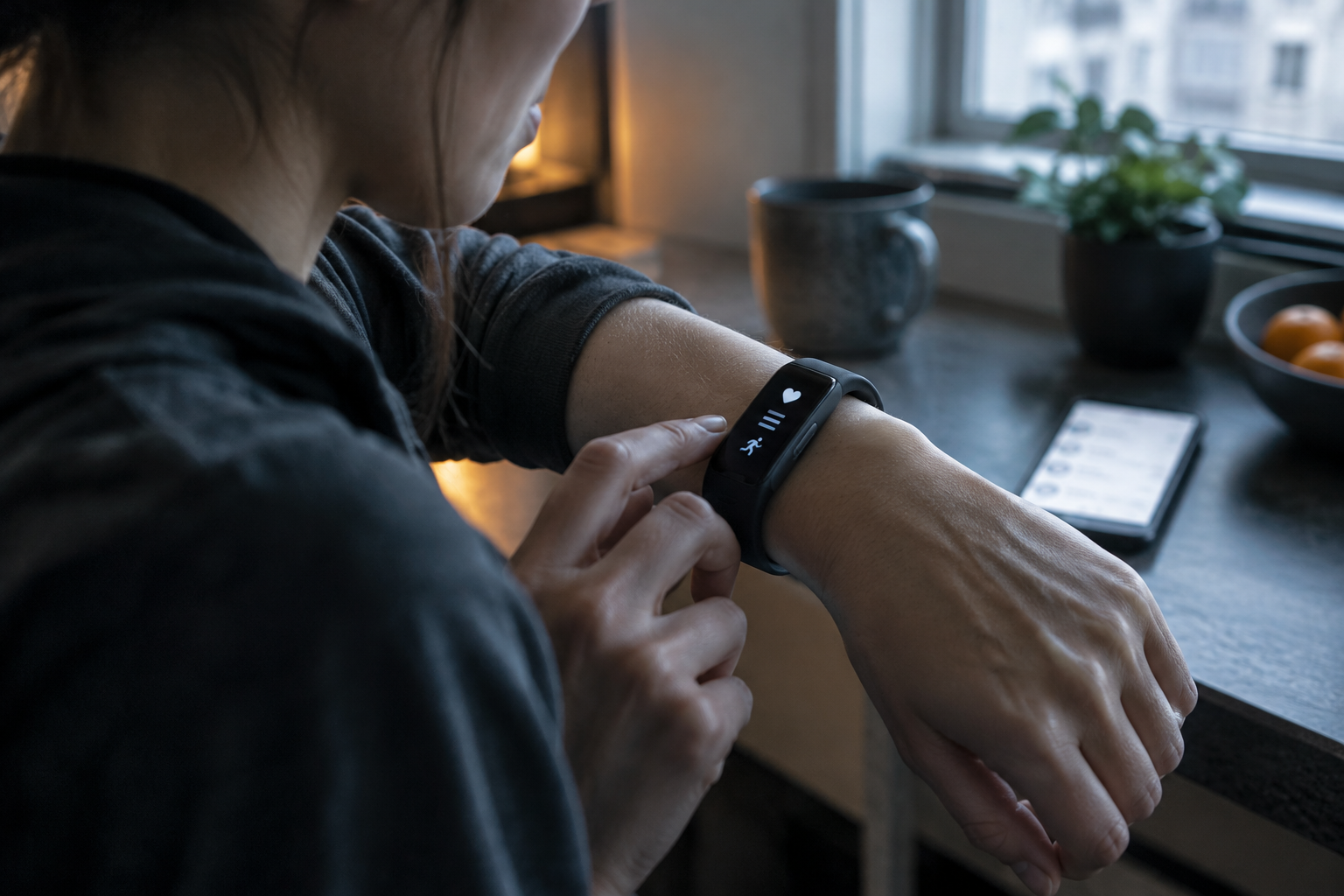
Google stopped teasing prototypes and put the Fitbit Edge directly onto store shelves on October 30, 2026. The new fitness tracker lands with a refreshed display, physical side controls, and a mandatory pipeline directly into the Google Health ecosystem.
Hardware makers love to hide behind vague release windows. Google skipped the usual pre-order holding pattern and shipped hardware directly to retailers on day one. You can walk into a store right now, pick up the box, and strap their newest wearable hardware to your arm.
The timing tells you everything about Mountain View's current hardware appetite. With holiday shopping windows closing in and holiday inventory locking down, Google pushed out the Edge to claim wrist real estate before buyers commit their cash elsewhere.
The Google Fitbit Edge launched on October 30, 2026, as an official retail release across consumer channels. It marks the newest generation of dedicated trackers under the combined Google and Fitbit banner.
Google built this model around a noticeably modified screen architecture. The company confirmed that the Edge carries the largest and brightest display ever installed on a standard Fitbit tracker.
That screen overhaul addresses a constant gripe with outdoor athletic hardware. Older displays washed out under direct daylight, forcing runners and cyclists to squint through harsh glare just to read a heart rate number.
Physical buttons are officially back on the side of the casing. Google ditched touch-only and capacitive pseudo-buttons in favor of real, tactile clickers that work when your hands are soaked in sweat.
Ergonomically, the chassis curves inward to match the natural contour of the arm. Google shaped the body specifically to reduce wrist fatigue during continuous sleep tracking and long training runs.
The touch interface handles the surface, but physical side clickers do the real work when sweat and rain compromise the glass.
Accessories landed alongside the core tracker. Google rolled out a catalog of swappable straps and bands designed for formal wear alongside sweat-resistant silicone straps aimed at gym floors.
Setup requires an active Google Account right out of the box. Legacy Fitbit credentials no longer function here, cementing Google's total migration of user databases into its central identity servers.
The hardware demands modern mobile software. It works exclusively with phones running Android 11 or higher, alongside Apple devices updated to iOS 16.4 or later.
You cannot configure or sync the tracker without the Google Health application. A continuous internet link is also mandatory to pipe sensor telemetry into your profile.
Several tracking metrics and analytical tools remain locked behind a paywall. Getting the full data package requires a separate Google Health Premium subscription sold on a recurring billing cycle.
Google explicitly flagged the device's regulatory limits at launch. The Edge carries clear legal documentation stating that it is not intended for clinical or medical purposes.
Technical support and system requirements went live simultaneously across two official portals at g.co/fitbit/edgesupport and g.co/fitbit/compatibility.
Google closed its multibillion-dollar buyout of Fitbit with promises to preserve the tracker line while injecting Mountain View engineering into the software stack. The Edge is the latest physical milestone in that multi-year integration.
The hardware timeline shows a clear shift away from standalone trackers toward unified cloud endpoints. Google systematically migrated legacy user bases away from independent infrastructure and into Google Health servers.
That server migration was not optional. It laid the groundwork for centralized profile management, automated account linking, and coordinated data harvesting across Google's broader machine learning models.
Industrial design lead Jonah Becker outlined the industrial pivot behind the hardware, pointing to a chassis designed to bridge workday office environments and intense training sessions.
Earlier tracker iterations struggled with that dual-identity problem. Plastic athletic bands looked out of place under dress shirts, while luxury smartwatches carried too much bulk for comfortable sleep tracking.
Software fragmentation complicated the product line for years. Wear OS ran the flagship Pixel Watch lineup, leaving standard trackers stuck on lightweight, stripped-down RTOS builds with sluggish touch performance.
The return to mechanical side switches fixes years of capacitive frustration. Runners routinely complained that capacitive sensors on earlier trackers failed to register sweaty fingers or triggered phantom inputs during rainstorms.
By keeping cross-platform compatibility open to Apple devices running iOS 16.4, Google preserved Fitbit's historic edge over the Apple Watch, which remains intentionally locked away from Android buyers.
Inside Google, the product teams framed the launch as their most capable wearable tracker to date.
Hardware leads Ryan Krems and Noah Presler labeled the Fitbit Edge as the smartest fitness tracker the company has ever engineered, pointing directly to the upgraded computational core and improved screen.
Design chief Jonah Becker defended the sculpted form factor, arguing that a premium finish keeps the tracker relevant in professional settings rather than just athletic tracks.
On the software side, Andy Abramson connected the Edge launch to larger upgrades hitting the Google Health framework and the companion Fitbit Air platform.
Marketing executive Lauren Gellman highlighted commercial partnerships, bringing high-profile athletic figures into the Google Health campaign to drive mainstream adoption.
Outside corporate briefings, consumer reaction centered on hardware ergonomics versus subscription economics.
Users greeted the return of physical buttons with relief. Years of tapping unresponsive glass panels while moving at speed generated sustained user revolt across fitness forums.
The brighter display drew early praise from outdoor athletes who spent years struggling to read split times under bright midday sun.
The persistent paywall struck a familiar sour note. Buyers noted that shelling out cash for new hardware still leaves advanced analytical features locked behind Google Health Premium recurring fees.
Privacy observers pointed to the mandatory Google Account rule. Anyone hoping to run fitness hardware detached from Google's main ad and identity tracking network has officially run out of options on this line.
The retail rollout puts immediate pressure on Google's supply chain as holiday inventory hits shelves.
Competitors in the sub-smartwatch category now face a well-funded challenger that undercuts full smartwatch pricing while offering better battery life and dedicated physical controls.
The Edge will serve as the primary testbed for upcoming intelligence updates teased by Andy Abramson across the Google Health and Fitbit Air ecosystems.
Here is how the landscape shifts now that the device is in consumer hands:
Software updates pushed through the Google Health app will dictate how much utility non-paying users actually get out of the onboard sensors over time.
Watch the firmware release notes closely over the coming quarters. How Google balances baseline utility against Google Health Premium upselling will determine whether the Edge thrives or becomes a glorified telemetry leash.
Google is done treating trackers as standalone gadgets. The Fitbit Edge turns your wrist into a dedicated input node for the Google Health data machine. By bringing back physical buttons and fitting the brightest panel yet, Google gave athletes real hardware utility. But by demanding a Google Account and hiding premium insights behind recurring fees, Mountain View proves its real goal is recurring subscription software. If you wear this band, you work for their data pipeline.
Reported off Google Blog. Original reporting and analysis by Priya Raghunathan for Vox Roboti.
The Google Fitbit Edge arrived on retail store shelves on October 30, 2026.
It works with phones running Android 11 or higher and Apple devices running iOS 16.4 or higher.
Yes. Google installed tactile physical side buttons for easier navigation during workouts.
Yes. Setup requires an active Google Account, the Google Health app, and an internet connection.
Basic tracking works without it, but select advanced features require a separate Google Health Premium subscription.
No. Google explicitly notes the tracker is not intended for medical purposes.
Nina Falco · 3d ago · 5 min read

Devon Achebe · 4d ago · 4 min read
Marla Quinn · 5d ago · 5 min read