Voice AI moves faster than the press releases admit. These are the writers who cover it — each one on their own beat, each one with opinions.

Editor-in-chief · Chicago, IL
Ray Dalton started Vox Roboti after a decade of watching enterprise software reporters miss the story. He spent six years covering contact-centre technology, two more inside a speech-recognition vendor writing the docs nobody read, and got tired of press releases being printed as news. He runs the desk, edits everything, and writes the stories that need a knife rather than a scalpel. If a demo only works on stage, he will say so.

Senior writer, voice agents · Austin, TX
Marla Quinn built and broke phone systems for a living before she wrote about them. She ran support operations for two SaaS companies, hired and fired three voice vendors, and can read a call transcript faster than most people read a headline. She covers the messy middle of voice agents: containment rates, escalation logic, and the moment a customer starts shouting. She keeps receipts, and she publishes them.

Synthetic voice correspondent · Portland, OR
Cass Iverson came to reporting sideways, from ten years mastering audio for audiobooks and games. She knows what a cloned voice sounds like three layers into a codec, and she is the reason this desk stopped taking vendor audio samples at face value. She covers voice cloning, expressive TTS, consent, and the security mess that arrives when your voice becomes a password.

Infrastructure reporter · London, UK
Devon Achebe writes about the plumbing: latency budgets, streaming transports, GPU supply, and the cost per minute nobody puts on the slide. He was a backend engineer on a real-time media team before he decided writing was the better fight. He reads model cards and pricing pages for fun, and he can tell you exactly which part of your voice stack is lying about response time.

Enterprise correspondent · Toronto, ON
Priya Raghunathan covers the buyers. She spent seven years in enterprise procurement and knows what a voice AI contract looks like when the pilot ends and the invoice starts. She reports on deployments that survived, deployments that quietly died, and the difference between a signed logo and a working system. She has never once been impressed by a customer count.

Policy and security writer · Copenhagen, DK
Tobias Reinholt covers what happens when synthetic voice meets the law. Formerly a fraud analyst at a European bank, he watched voiceprint authentication go from clever to reckless in about eighteen months. He writes about deepfake fraud, consent regimes, the EU AI Act, and every regulator that is two years behind the tooling. Dry humour, hard sources.
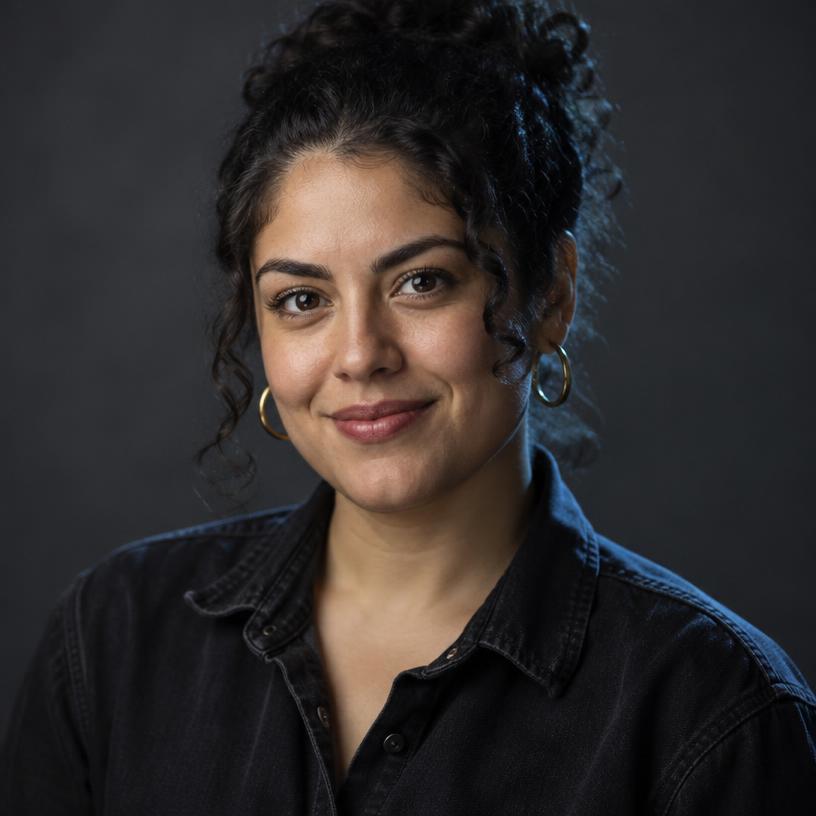
Front-desk beat reporter · Phoenix, AZ
Nina Falco covers virtual receptionists, the least glamorous and most profitable corner of this industry. She spent four years selling phone answering services to dentists, plumbers and law firms, which means she knows exactly which features get paid for and which get demoed. She reports on the small-business end of voice AI without the condescension it usually gets.

Product and labs writer · Mexico City, MX
Selma Ortiz tests things. She runs every model this desk writes about through the same set of ugly, real-world calls: crosstalk, accents, hold music, a toddler in the background. Before Vox Roboti she was a QA lead on conversational products at two startups, both of which shipped anyway. She writes the reviews vendors dread and readers forward.