Voice AI
Amazon Silently Kills Alexa Voice Switching for Older Echo AUX Jacks
Selma Ortiz · 17h ago · 4 min read
Italy's Prime Minister Giorgia Meloni filed an EUIPO trademark on her voice using a four-second audio snippet, joining an elite cohort using brand law to stop synthetic audio.

By Devon Achebe, Infrastructure reporter · Reported off BBC AI
Follows latency, cost and the parts of the stack vendors hide.
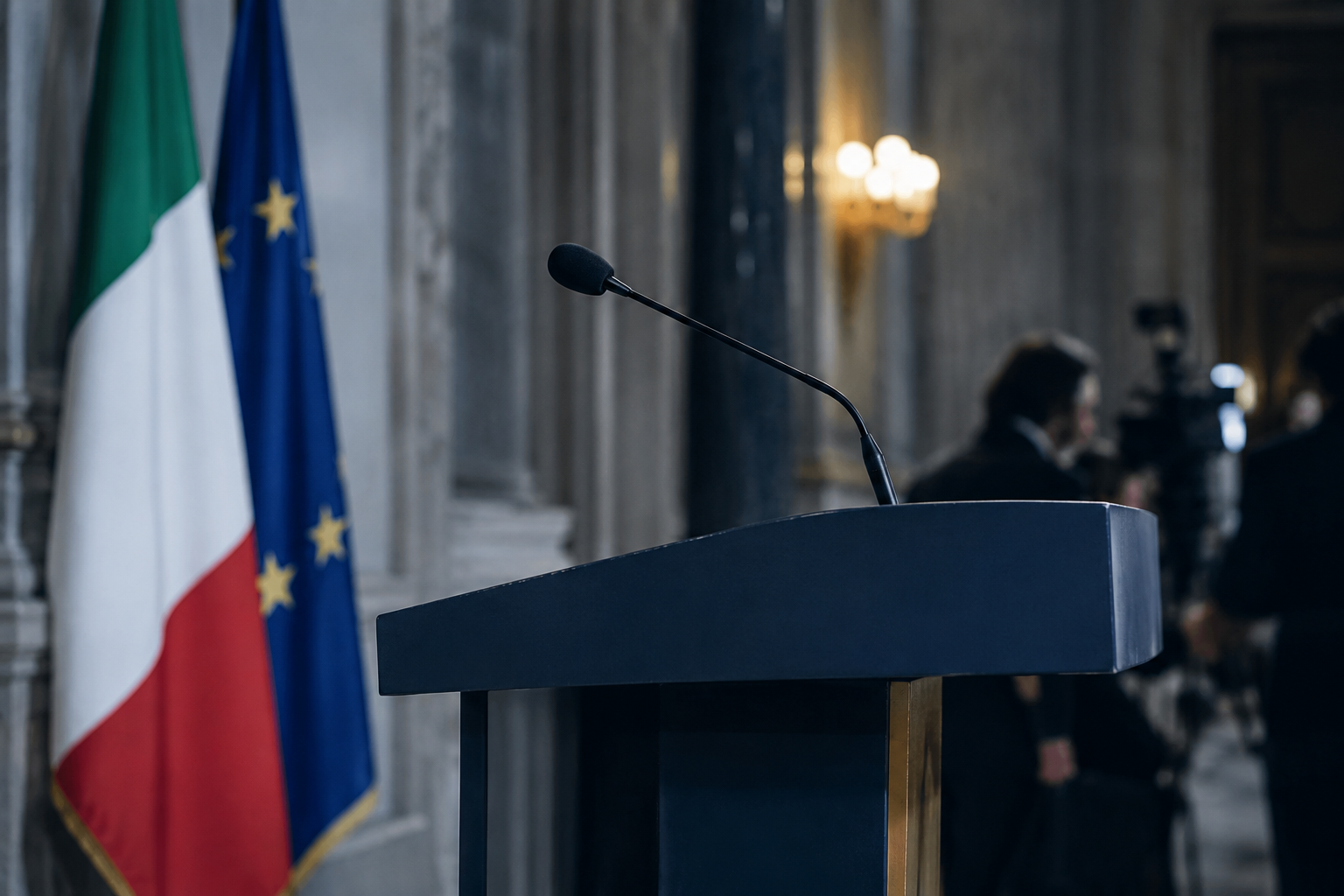
Politicians usually fight deepfakes with press releases, denial videos, and toothless legislative committees. Giorgia Meloni chose the intellectual property registry instead.
On Monday, Italian Prime Minister Giorgia Meloni submitted a formal trademark application to the European Union Intellectual Property Office (EUIPO). Her prime ministerial office verified the filing, which is now publicly searchable on the EUIPO database. The filing does not rely on a sprawling legal dossier or vague copyright theories. It relies on a concrete digital asset.
To anchor the claim, Meloni filed an audio sample running exactly four seconds. In the recording, she recites the Italian statement "Io sono Giorgia" twice. Translated as "I am Giorgia Meloni," the phrase doubles as personal branding and political ammunition. It served as the title of her 2021 autobiography and remains the definitive slogan across her electoral campaigns.
The mechanics of generative audio explain the urgency of the filing. Standard voice-cloning software requires only a few seconds of raw vocal audio to manufacture a crude likeness, while industrial-grade, photorealistic synthetic speech demands hours of clean master recordings. By registering an authentic, official voice sample directly with the EUIPO, Meloni is establishing a verifiable legal anchor against unauthorized synthetic derivatives before rogue models can flood the market.
Meloni's trip to the trademark office comes after years of dealing with weaponized synthetic media. In 2024, she took civil legal action demanding €100,000, roughly £84,920, in damages following the online distribution of synthetic pornographic videos bearing her likeness. The civil court case highlighted how digital manipulators routinely graft the facial features of real people onto fabricated bodies.
The digital harassment did not stop with that court action. In May of this year, another wave of synthetic material surfaced across social networks, displaying AI-generated imagery of the prime minister wearing lingerie. That episode prompted public warnings from Meloni regarding the sheer velocity and weaponization of generative media.
Yet Meloni is not the pioneer of the voice-trademark maneuver. In January, American actor Matthew McConaughey took preemptive legal steps by registering trademarks on both his visual likeness and his vocal identity to prevent unauthorized commercial cloning. The entertainment industry quickly escalated the trend.
Pop star Taylor Swift replicated the strategy in April. Swift lodged three separate trademark filings within the United States. One filing protected an image of Swift performing on stage throughout her Eras Tour, while the remaining two filings consisted of distinct audio files containing her spoken self-introductions used during promotional cycles for her last studio album.
Pressure mounted on lawmakers in Britain just four months later. In August, an organized coalition of more than 80 entertainment professionals urged British political figures, including Andy Burnham, to establish statutory frameworks granting every individual citizen an explicit legal ownership right over their own vocal cords. The petition drew high-profile support from television and film actors Matt Lucas, Hugh Bonneville, and Nicola Coughlan.
``` Targeted public figures deploying protective filings in 2024:
```
The timing for Meloni carries immediate electoral weight. Italy heads into general elections next year. With campaign season approaching, synthetic audio represents an asymmetric political threat that can destabilize public debates overnight.
Meloni addressed the broader threat of synthetic impersonation directly following the circulation of explicit AI imagery in May. She outlined her position on social media:
The point, however, goes beyond me. Deepfakes are a dangerous tool, because they can deceive, manipulate, and strike anyone. I can defend myself. Many others cannot.
Her office characterized the Monday EUIPO application as an explicit defensive barrier against generative AI tools that mimic authentic public speech. The formal registration provides her legal counsel with an immediate administrative weapon rather than forcing them to rely on lengthy defamation trials after forged media goes viral.
Meanwhile, the British performing arts faction led by Lucas, Bonneville, and Coughlan voiced a complementary grievance. They warned that without statutory rights designating personal voice architecture as unalienable property, voice actors and everyday citizens face systemic non-consensual exploitation from model developers scraping digital audio.
The EUIPO now faces the administrative task of evaluating Meloni's application. Trademark authorities traditionally approve distinct musical jingles, corporate slogans, and commercial catchphrases. Evaluating an elected head of state's spoken vocal timbre under European commercial mark classification pushes IP law into unmapped territory.
If the EUIPO greenlights the registration, the legal ramifications will reverberate across the continent ahead of Italy's upcoming national vote next year. Meloni's campaign apparatus will secure the ability to file instant commercial cease-and-desist notices against platforms hosting synthetic audio clones, sidestepping the cumbersome procedural hurdles of political defamation litigation.
This shift redefines how public figures will police AI infrastructure moving forward:
Modern cloning systems need only seconds of voice data to generate recognizable fakes, but convincing, long-form deceptive audio still demands hours of high-resolution vocal training data. By securing ownership of "Io sono Giorgia," Meloni is turning a political slogan into an enforceable biometric moat.
When a sitting prime minister registers her voice with a trademark bureau, the commercial AI market gets served notice. Defamation law is too slow to stop runaway generative voice models before an election. Trademark law, however, offers immediate takedown muscle and statutory commercial damages. If the EUIPO signs off, vocal timbre becomes registered intellectual property across Europe. Model builders scraping public speeches will suddenly find themselves treated like bootleg manufacturers instead of tech innovators.
Reported off BBC AI. Original reporting and analysis by Devon Achebe for Vox Roboti.
Meloni filed a trademark application containing a four-second audio clip where she says Io sono Giorgia twice to protect her voice against AI deepfakes.
Io sono Giorgia was the title of her 2021 autobiography and serves as a core slogan across her political campaigns.
Quick voice clones require only a few seconds of recorded audio, while high-quality copies generally require hours of source data.
Yes. In 2024 she sought €100,000 in damages over deepfake pornography, and in May AI-generated images of her in lingerie circulated online.
Matthew McConaughey trademarked his image and voice in January, and Taylor Swift filed three US trademarks for voice clips and imagery in April.
In August, over 80 performers including Matt Lucas, Hugh Bonneville, and Nicola Coughlan called for UK legislation granting citizens legal ownership of their voice.
Italy's next general elections are scheduled to take place next year.
Selma Ortiz · 17h ago · 4 min read
Cass Iverson · 2d ago · 5 min read

Selma Ortiz · 2d ago · 5 min read