
Synthetic Voice
Cloudera Hooks Neo4j and Cartesia Into Its Enterprise Data Engine
Cass Iverson · 5d ago · 5 min read
A Tokyo court ruled that AI clones of Kenjiro Tsuda's voice breached publicity rights, setting a hard precedent for voice scrapers everywhere.

By Tobias Reinholt, Policy and security writer · Reported off Guardian AI
Fraud analyst turned policy writer. Deepfakes, consent, regulators.
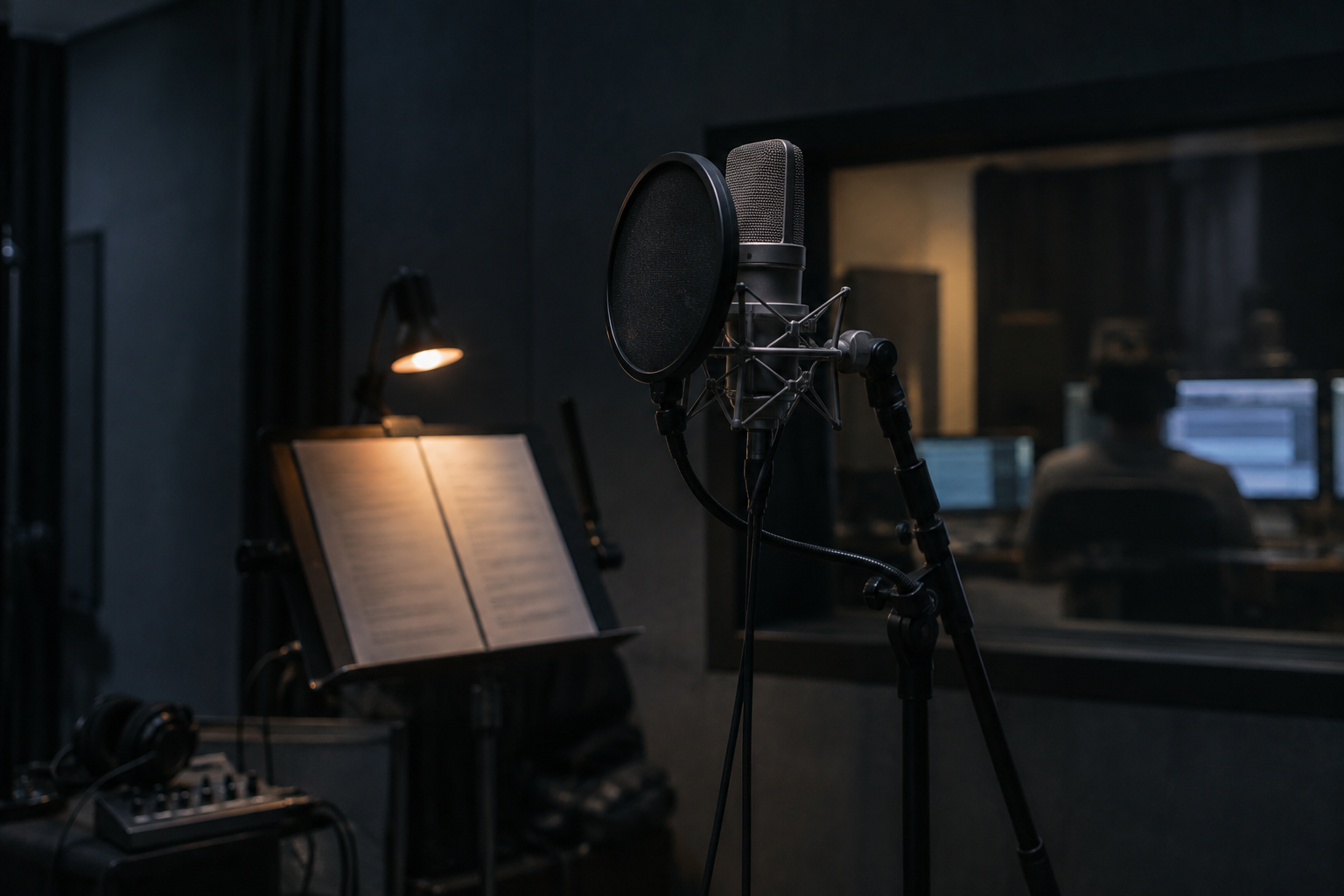
Someone ripped off Kenjiro Tsuda's vocal chords, slapped the synthetic output onto bottom-barrel social video, and monetized it. On 30 September 2026, the Tokyo District Court handed down a decision that strips the legal camouflage right off this practice.
Presiding Judge Aya Takahashi ruled that human vocal delivery qualifies for protection under publicity rights. When an unauthorized party manufactures an artificial replica of an artist's signature cadence strictly to cash in on commercial appeal, the law treats that theft the same way it treats an unauthorized photograph.
The target of the suit was an anonymous operator running a channel on TikTok. That account pushed out 188 short-form clips between July 2024 and September 2025. Each clip relied on synthetic speech that mirrored Tsuda's recognizable low-register tone to narrate trashy stories about the occult and urban folklore.
Those 188 clips built an audience of over 200,000 subscribers. According to legal filings cited by Kyodo news agency, that following delivered the account operator between 75,000 yen and 500,000 yen every single month in automated advertising payouts.
Tsuda, 55, hauled the operation into court in November 2025. He demanded both a formal recognition of the rights breach and an explicit court order forcing the host platform to scrub the material from the web.
He got the precedent, but he did not get the injunction. Judge Takahashi threw out the platform takedown demand on simple procedural grounds: the anonymous creator had already wiped the clips off the profile shortly after Tsuda filed the initial paperwork in November.
The unauthorized use of a performer's voice can be considered an infringement on publicity rights.
Tsuda spent decades earning his cultural footprint. His resume includes high-profile voice work across modern Japanese media, most notably his role as Kento Nanami in the global anime hit Jujutsu Kaisen.
The anonymous creator did not just copy the sound. The operator selected a channel avatar that deliberately evoked Tsuda's Jujutsu Kaisen character, establishing a direct visual and acoustic bridge designed to hoodwink scrolling fans.
Japanese entertainment unions spent years warning regulators that generative speech models would cannibalize legitimate voice actors. In 2024, industry talent organized under the banner campaign "No More" to push back against the mass scraping of their vocal performances and visual likenesses.
The economic friction behind that movement is straightforward:
Before Takahashi issued this decision, Japanese law lacked a direct precedent establishing that human sound files enjoyed parity with personal portrait rights. Publicity rights previously shielded an entertainer's face, name, and visual likeness from commercial exploitation, leaving vocal performance in a dangerous legal grey zone.
Tsuda took the financial hit of mounting a standalone lawsuit to close that loophole. His legal team argued that the synthetic clone was not an artistic homage or a fair critique, but an unvarnished extraction of his personal brand value.
The defense mounted by the platform side rested on plausible deniability. Counsel argued that the automated narration in the 188 videos was merely a standard male tone and that any resemblance to Tsuda was entirely in the ear of the beholder.
Tsuda's legal representatives pushed back hard against that framing. They pointed out that the videos dealt in sordid tabloid content and had only racked up millions of plays because they used the recognizable delivery of a marquee voice actor as bait.
Industry leaders backed Tsuda's position outside the courtroom. Yuko Sasaki, executive director of the Japan Actors Union, emphasized that a professional voice is not public domain raw material, describing it as the hard-won product of years of disciplined training and professional apprenticeship.
Judge Takahashi rejected the defense's "generic voice" argument outright, framing vocal timbre as an indelible anchor of human identity:
A voice is as symbolic of one's personality as portraits are.
The court stated plainly that legal protections engage the moment a third party replicates that voice exclusively to monetize its commercial appeal.
The platform operator retreated to legal boilerplate following the verdict. A spokesperson stated that the company would respect the court's judgment, review the specific legal findings, and seek to balance technological development against rights management.
This ruling fundamentally reorders the risk profile for synthetic voice mills across Asia. Content creators who rely on zero-effort AI cloning tools can no longer hide behind claims of generic audio or algorithmic coincidence.
Every studio and content aggregator operating in Tokyo will now have to review their asset pipelines. If a synthetic voice model relies on training checkpoints that capture the distinct vocal mannerisms of a living performer, continuing to deploy that model without a paper contract is now actionable conduct under Japanese civil law.
Tsuda did not win an injunction because the rogue creator erased the tracks in November, showing other scrapers how to dodge court orders. They can pirate a voice, harvest cash for six months, and scrub the server the moment a legal notice lands.
That dynamic puts the spotlight directly on platform operators. If courts will not order takedowns for deleted channels, unions like the Japan Actors Union will press lawmakers for statutory fines levied against platforms that distribute unauthorized clones in the first place.
The decision also hands fresh ammunition to performers outside Japan. As jurisdictions in North America and Europe wrestle with their own publicity and personality statutes, Japanese case law now provides a concrete template: your voice is your portrait, and anyone caught selling it owes you a check.
The Tokyo verdict tears down the legal myth that voice scraping is a victimless shortcut. If you strip an actor's timbre to narrate low-grade content, you are violating publicity rights the same as if you stole their face. Expect Japanese agencies to start hunting corporate synthetic deployments with real financial penalties.
Reported off Guardian AI. Original reporting and analysis by Tobias Reinholt for Vox Roboti.
The court ruled that replicating a performer's distinctive voice for commercial gain infringes their legal publicity rights.
Kenjiro Tsuda, 55, known for voicing Kento Nanami in the anime Jujutsu Kaisen, brought the landmark action.
The anonymous TikTok account published 188 videos featuring the synthetic voice clone between July 2024 and September 2025.
Legal filings showed the channel pulled between 75,000 yen and 500,000 yen per month from automated payouts.
No. The judge dismissed the removal request because the operator deleted the 188 videos shortly after the lawsuit was filed.
The platform claimed the audio was merely a generic male voice and any resemblance to Tsuda was subjective.
Cass Iverson · 5d ago · 5 min read

Selma Ortiz · 6d ago · 5 min read
Selma Ortiz · 7d ago · 6 min read