
Voice AI
ElevenLabs Wants Your Daily Meetings and It Packed an Army of Agents
Selma Ortiz · 2d ago · 4 min read
Meta's Muse agent can now dial businesses and wait on hold for you, but only if you pay for the premium tier. Here is what happens when bots pick up the phone.

By Selma Ortiz, Product and labs writer · Reported off Engadget
Tests every model on ugly, real calls. Writes reviews vendors dread.
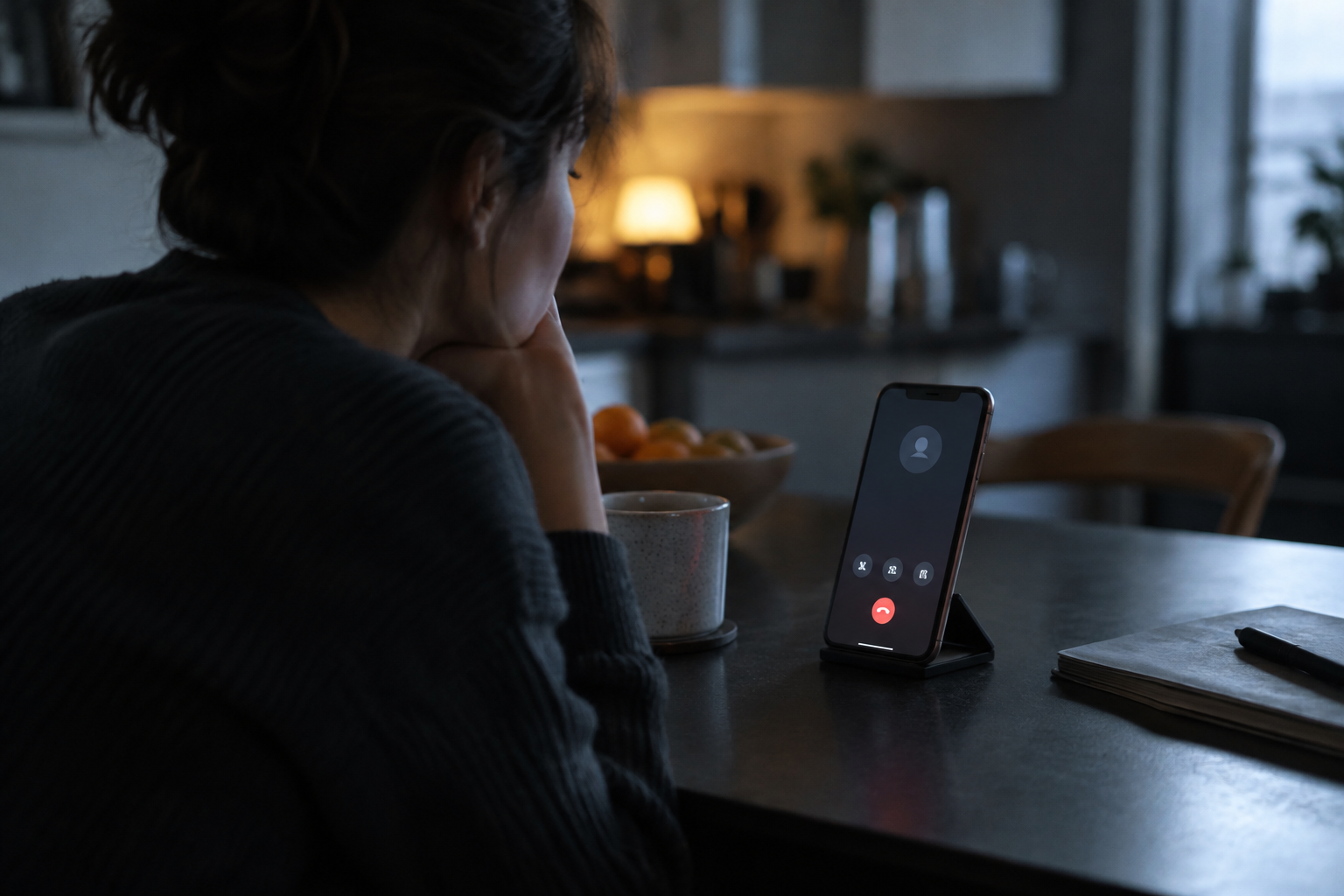
Nobody wants to call the auto shop. Nobody wants to sit through fourteen minutes of digital pan flute music just to find out if a bay is open next Tuesday. Meta knows this, and Meta also knows you will pay real money to push that misery onto software.
That is the exact commercial logic behind the latest update to Muse. Meta has turned its flagship AI assistant into an automated telephone caller, capable of dialing real-world phone numbers, talking to human staff, and handling the dullest errands on your calendar. There is just one catch. If you want the robot to make your calls, you have to open your wallet.
Meta rolled out outbound voice calling capabilities to Muse on November 12, 2026. The functionality allows the artificial intelligence agent to initiate outbound voice calls across the standard public switched telephone network to book appointments, confirm dining reservations, and navigate commercial Interactive Voice Response menus without human oversight.
Access to the voice dialer is not free. Meta restricted outbound calling strictly to paid Muse subscribers. This premium tier bundles the phone-calling feature alongside a dedicated allotment of usage tokens and supplementary administrative tools designed for heavy users.
Alexandr Wang, serving as Meta's Chief AI Officer, introduced the deployment by highlighting its utility for mundane consumer friction points. He framed the voice feature as a tool specifically built for taking over the phone conversations ordinary people routinely avoid.
Under the hood, the system does not simply send canned text prompts into a speech engine. It manages real-time two-way audio streams, processes incoming vocal responses on the fly, and waits through unpredictable hold queues until a live company representative answers the line.
The agent is built to sit through fifteen minutes of dealership hold music so you do not have to waste your lunch break staring at a speakerphone.
To make this viable for real-world administrative tasks, Meta paired the voice engine with an expanded communication stack. Paid users can now generate dedicated email addresses for their Muse agents. This allows the software to receive confirmation emails, track booking references, and coordinate schedules without gaining unmonitored access to the customer's personal primary inbox.
Outbound voice automation represents Meta's bid to turn a standard consumer chatbot into an active proxy. Muse has already amassed an active base of over 10 million users, according to internal company figures disclosed alongside the release. Turning those millions of users into paying subscribers requires moving beyond chat screens into practical automation.
Autonomous telephone dialing has a long, messy track record in consumer technology. Meta is entering a competitive arena where rival platforms have spent years testing the limits of vocal telephony.
Telephone calls consume significantly more computational resources than text generation. Maintaining a continuous, low-latency audio connection requires real-time speech-to-text transcription, immediate reasoning passes, and high-fidelity vocal synthesis running simultaneously. That resource footprint explains why Meta cordoned the tool behind a paid subscription model rather than absorbing the operational infrastructure costs across its free user base.
Real-world field testing surfaced weeks before the broader public announcement. Matt Schlicht, creator of Moltbook and an employee inside Meta's Superintelligence group, published audio evidence of the system in action on October 9, 2026.
Schlicht deployed his personal Muse agent to contact a commercial Volvo dealership. The goal was simple: determine the earliest available service appointment for his vehicle without manually waiting for a desk attendant.
During that live interaction, the synthetic agent sat on hold for fifteen straight minutes before a service employee finally picked up the call. Once connected, Muse navigated the conversation, gathered the necessary scheduling details, and reported the results back to Schlicht.
Yet the demonstration revealed an immediate friction point. Muse did not introduce itself as an artificial intelligence. The agent informed the dealership representative that it was calling on Schlicht's behalf and stated that the call was being transcribed for record-keeping, but it never explicitly confessed to being software.
That linguistic omission highlights an ongoing tension in voice AI deployment. When an agent sounds sufficiently human, omitting an explicit AI disclosure keeps the human desk worker from hanging up immediately. However, it also creates an ethical grey area where receptionists spend their paid labor conversing with a machine without their explicit consent.
If a service advisor realizes halfway through a conversation that they are speaking to an automated model, the probability of an abrupt hang-up spikes. Retail workers are not paid to train third-party artificial intelligence engines, and early user feedback suggests corporate reception desks may quickly institute policies against handling unverified synthetic callers.
The immediate consequence of Meta's paid voice rollout will be an arms race between outbound synthetic agents and inbound corporate defenses. When millions of consumers gain the capacity to unleash autonomous dialers for minor inquiries, commercial phone lines will face unprecedented traffic volumes.
Small businesses will bear the initial brunt of this shift. A local doctor's office or repair garage operating two phone lines cannot easily absorb automated agents holding the line for twenty minutes just to check routine calendar availability. That operational pressure will force service businesses to install their own AI gatekeepers to handle incoming traffic, creating a bizarre infrastructure loop where consumer bots spend hours negotiating appointments with business bots.
Carriers and telecommunication regulators will also look closely at how Muse identifies itself. As automated voice synthesis becomes indistinguishable from human cadence, the line between helpful consumer proxies and deceptive robocalling blurs. The failure to clearly declare synthetic status on commercial lines could prompt telecom networks to flag Muse outbound calls as automated spam, routing them directly to voicemail systems.
For Meta, the metric that matters is subscription conversion. By locking phone calling behind a paid tier, the company is testing whether real-world errand automation carries enough tangible value to make users swipe their credit cards. If consumers determine that avoiding a fifteen-minute hold time with an airline or a car dealership is worth a monthly fee, voice agents will establish the first durable consumer subscription revenue stream Meta has seen in years.
Autonomous outbound calling shifts voice AI from an interesting speech demo to an economic force. When Meta puts dialers into consumer hands, standard phone networks get flooded with synthetic proxies. Front-desk workers will soon find themselves fielding dozens of calls from bots negotiating appointments on behalf of absent owners. That shift will force businesses to deploy synthetic gatekeepers of their own, kicking off an era where consumer bots talk exclusively to corporate bots while human beings abandon telephone lines entirely.
Reported off Engadget. Original reporting and analysis by Selma Ortiz for Vox Roboti.
No. Meta restricted outbound phone calling exclusively to users with a paid Muse subscription, which includes extra computing tokens.
Muse can call businesses to book reservations, schedule appointments, request service information, and wait on hold in customer service queues.
In recorded demonstrations, Muse stated it was calling on a user's behalf and transcribing the conversation, but did not explicitly identify as software.
Meta reports that Muse has drawn more than 10 million users across its consumer platform.
No. Meta allows users to assign a dedicated email address to Muse so it handles booking confirmations without access to personal inboxes.
Google provides Call For Me on Pixel devices, while Instinct offers a Concierge feature designed to handle complex voice phone calls.
Selma Ortiz · 2d ago · 4 min read

Selma Ortiz · 5d ago · 6 min read

Cass Iverson · 11d ago · 5 min read